Key message: Across randomised trials that checked quitting with a breath or saliva test six months later, automated text-message programmes about doubled to tripled the share of people who stayed off cigarettes compared with minimal support. Smartphone apps may also help, but the result is fragile: results vary a lot between trials, and dropping any one of three trials puts the lower end of the main interval at or below no effect. Adviser chat through messaging apps and web programmes show no clear benefit.
A rapid non-systematic review by the Palo Alto Health Labs Co-Scientist.
What the trials show
Text-message programmes. Seven trials with 11,521 participants compared automated text-message support (one delivered the same kind of automated messages through a chat app) with minimal support such as unrelated texts, leaflets, written information or brief advice. People receiving the messages were about 2.5 times as likely to have verified abstinence at six months (pooled risk ratio 2.50; main 95% CI 1.81 to 3.46). Put simply, if 5 in 100 people quit with minimal support, about 12 or 13 in 100 would be expected to quit with a text programme (range 9 to 17 in 100). Every trial pointed the same way, although the size of the benefit differed (I² 57%), and the range expected for a new trial (prediction interval 1.20 to 5.23) stays above no effect. Two trials differed from the rest in delivery or setting: automated messages pushed through a chat app in China (risk ratio 4.24, the largest effect) and a cluster trial in tuberculosis clinics in Bangladesh and Pakistan (3.00). Without those two, the pooled ratio was 2.11 (1.66 to 2.68) with no detectable spread between trials (an analysis chosen after seeing the data).
Smartphone apps. Six trials with 3,031 participants tested apps (one a chatbot) against usual or minimal support. Verified quitting was higher with the app (risk ratio 1.90; 1.11 to 3.23), but trials differed widely (I² 73%) and the prediction interval (0.58 to 6.23) includes no benefit. The result is fragile: dropping any one of three trials (Rupp 2024, Tang 2026 or Naughton 2024) puts the lower end of the main interval at or below 1 (without Rupp 2024: 1.64, 0.97 to 2.78; without Tang 2026: 1.80, 0.93 to 3.50; without Naughton 2024: 1.76, 1.00 to 3.10). A pattern, examined after seeing the data, is consistent with the spread. Where an app was added to clinic treatment that already included stop-smoking medication and counselling, the extra gain was modest (risk ratios 1.26 and 1.38, against already high quit rates of 19% to 51% in the comparison groups). Where an app was compared with brief advice, control messages, a website referral or usual services alone, the four trials gave a pooled risk ratio of 2.87 (1.48 to 5.56) in this post hoc grouping. Two of the six trials were small pilots.
Chat support from advisers through messaging apps. Five trials from Hong Kong with 3,773 participants added personalised chat with cessation advisers or ex-smoker peers (through common messaging apps) to brief advice. The pooled risk ratio was 1.41, but the main Hartung-Knapp confidence interval (0.97 to 2.06) includes no effect, so there is no clear benefit. The conventional Wald interval (1.08 to 1.84) is narrower and excludes 1, but with five trials it is likely to understate the uncertainty and is not taken as evidence of benefit. Trial results were consistent with each other (I² 0%). Adding a sixth trial, in patients with long-term conditions who did not intend to quit and whose intervention began with a face-to-face motivational interviewing session, gave 1.50 (1.07 to 2.10); that trial is outside the main question and does not confirm a benefit. In several trials only a minority of participants engaged with the chat.
Web and online programmes. Only three trials (5,619 participants) met the criteria of a verified six-month outcome against minimal support. The pooled risk ratio was 1.20 (0.58 to 2.48), so no clear benefit could be shown. The largest trial found no overall difference between an interactive website and an information-only site; a trial in people living with HIV found a benefit. With three trials, the prediction interval is very wide (0.04 to 32.2).
Context from published reviews. These results fit earlier Cochrane reviews, which used the strictest abstinence measure each trial reported, including self-reported quitting where trials did not verify it. A 2019 review found automated text messaging more effective than minimal support (risk ratio 1.54, 1.19 to 2.00; 13 studies) and no clear benefit from the five app trials then available (1.00, 0.66 to 1.52) [23]. A 2017 review of internet programmes found a small benefit for tailored, interactive programmes over non-active controls (1.15, 1.01 to 1.30) [24]. Several of the app and chat trials pooled here were published after those reviews. A 2026 review of smartphone apps found that apps used alone, compared with no or minimal support, improved six-month continuous abstinence (risk ratio 2.85, 1.61 to 5.05; 4 studies; low-certainty evidence) [25], similar to the post hoc standalone-app grouping here; its abstract does not list the included trials, so overlap with the trials pooled here could not be checked.
Figures
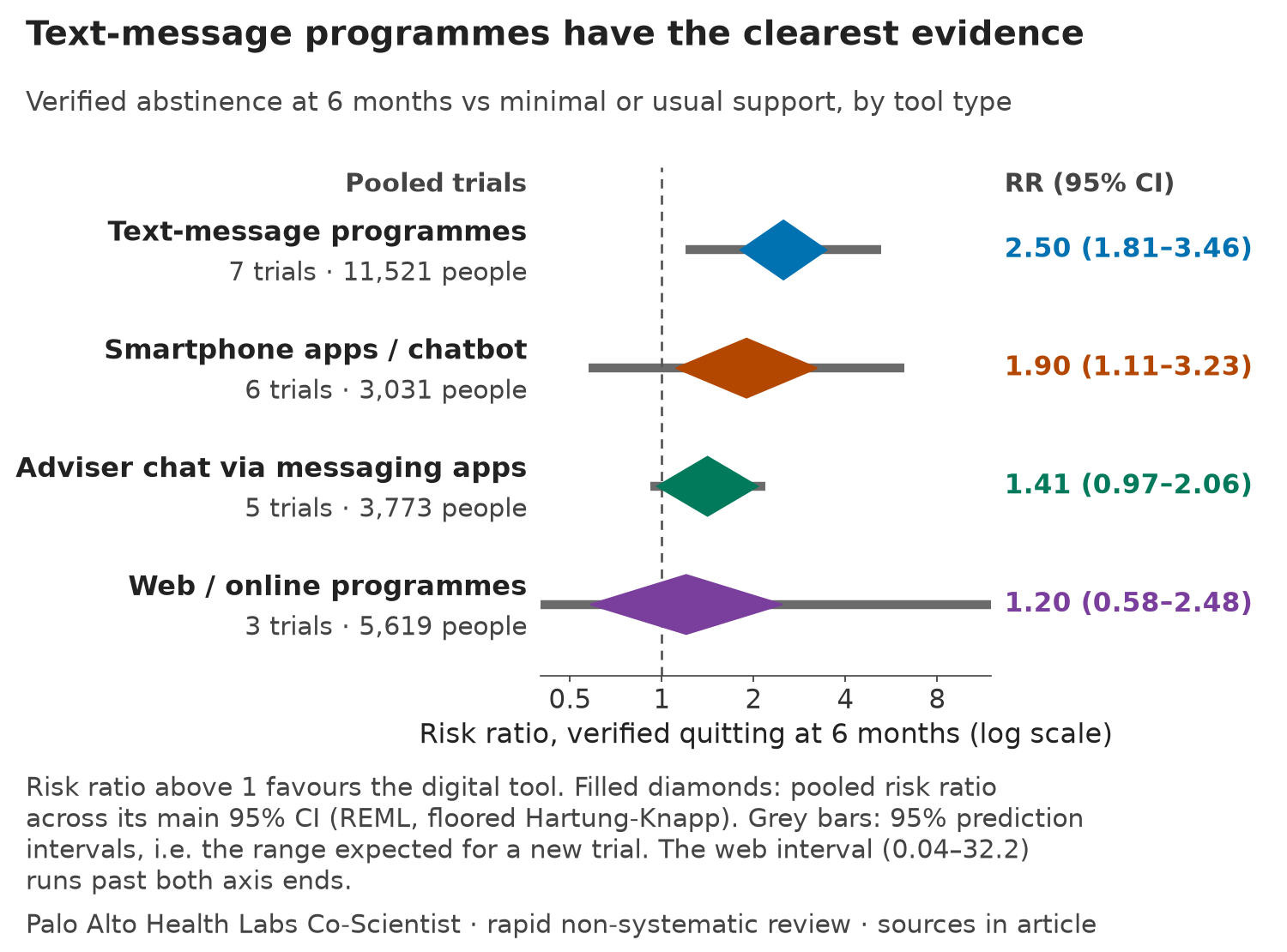
Figure 1. Pooled risk ratio for verified abstinence at six months, by type of digital tool. Diamonds span the main 95% confidence interval; grey bars show the 95% prediction interval.
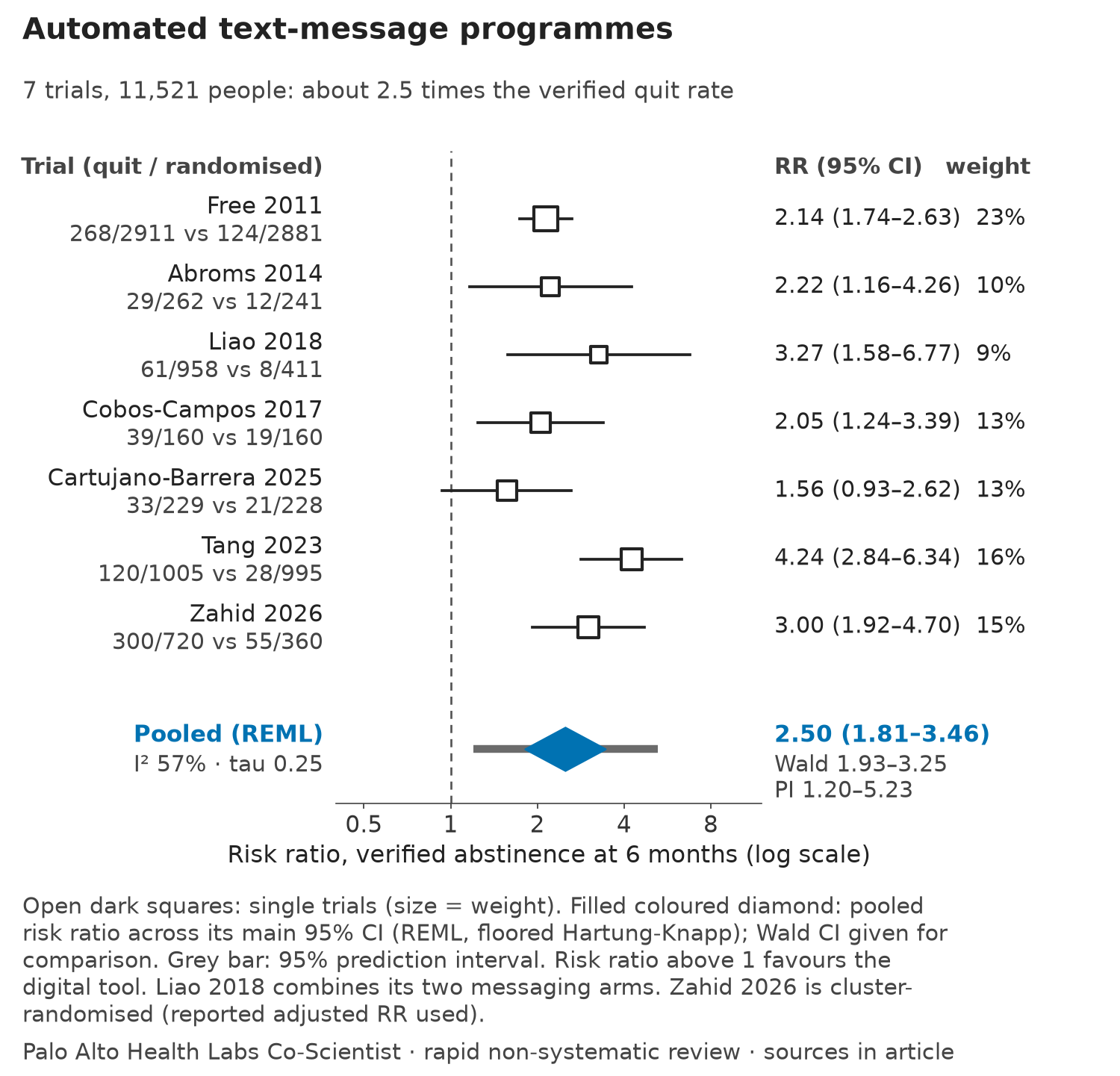
Figure 2. Text-message programmes: individual trials and pooled estimate.
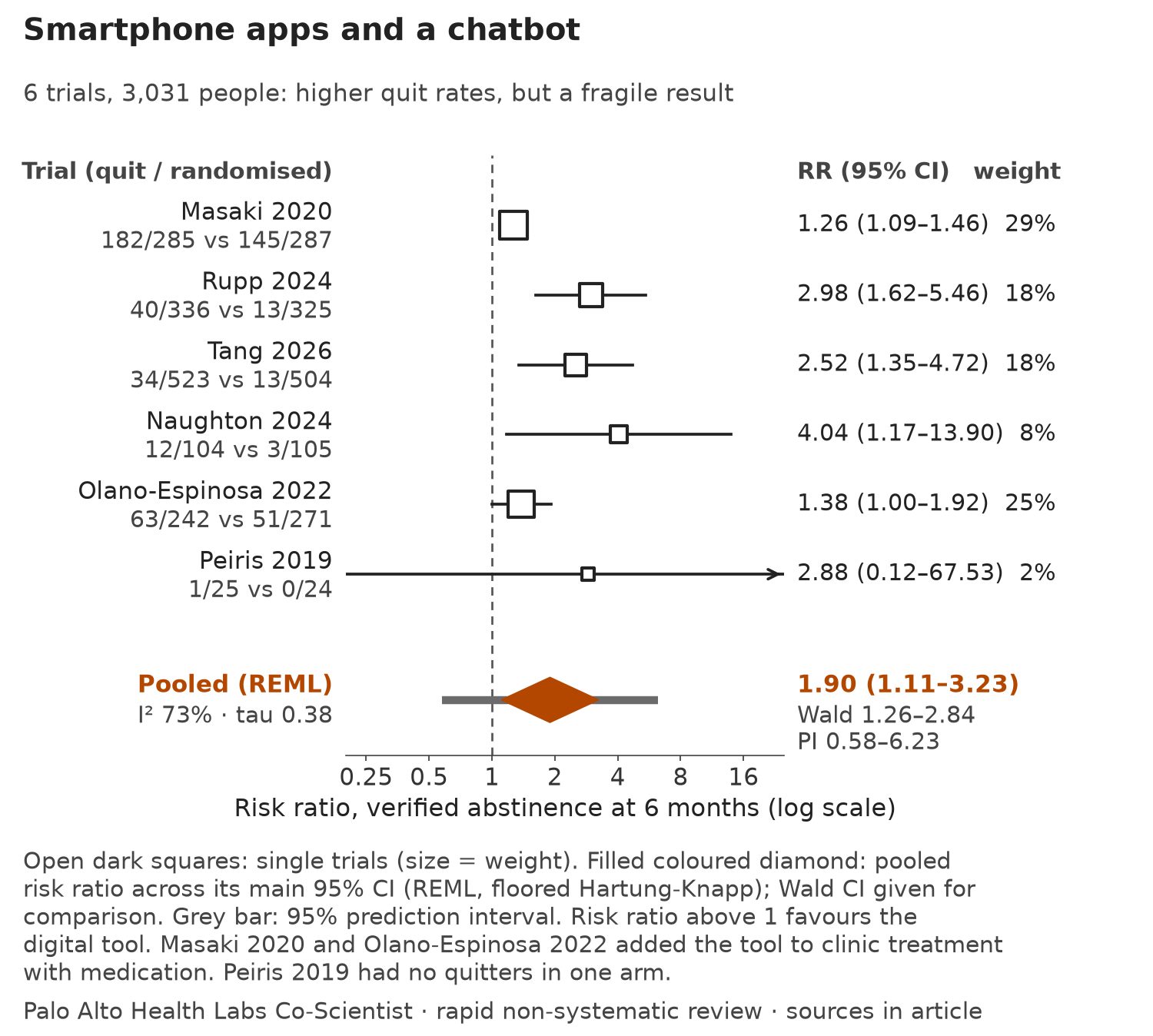
Figure 3. Smartphone apps and a chatbot: individual trials and pooled estimate.
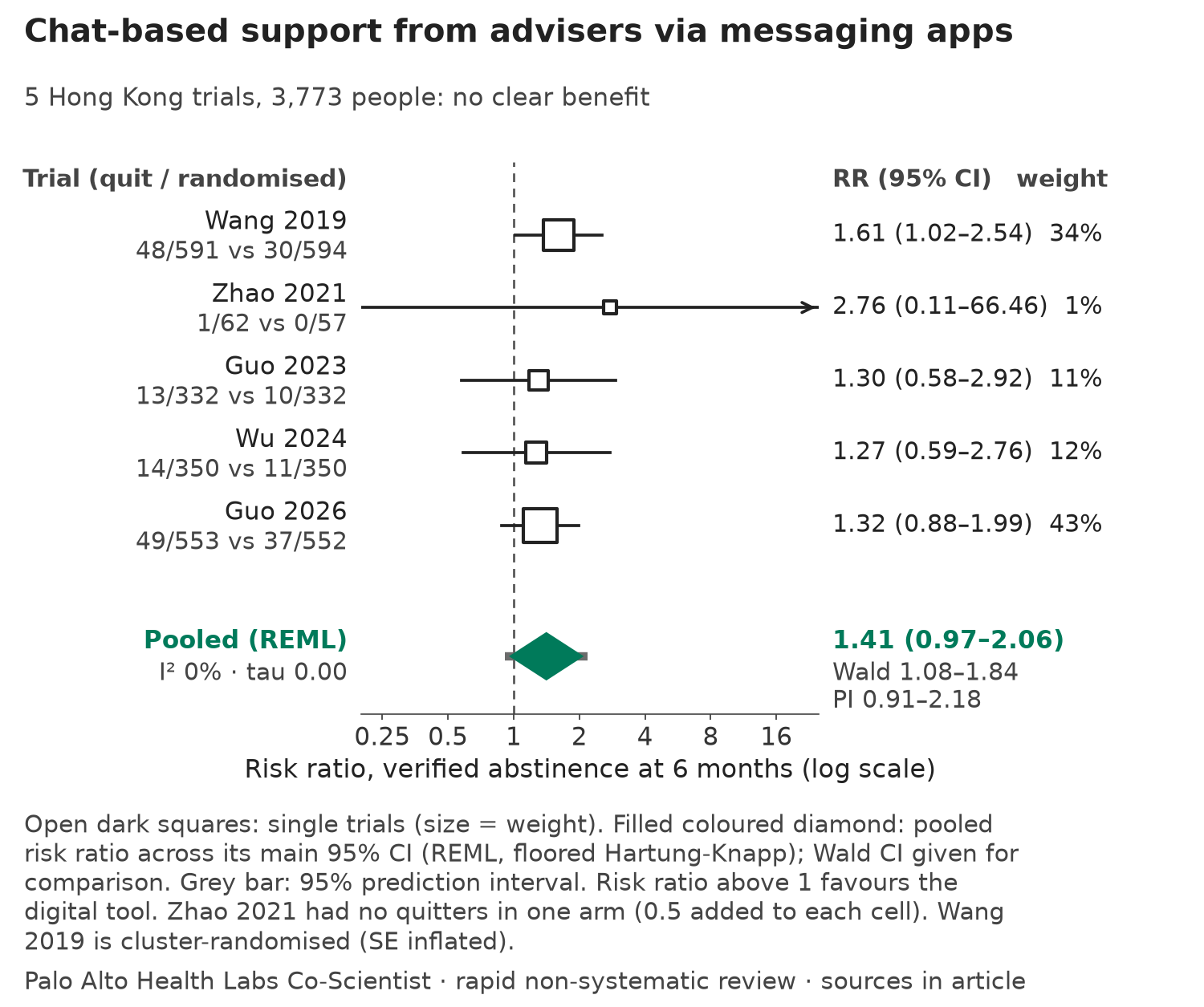
Figure 4. Adviser or peer chat through messaging apps: individual trials and pooled estimate.
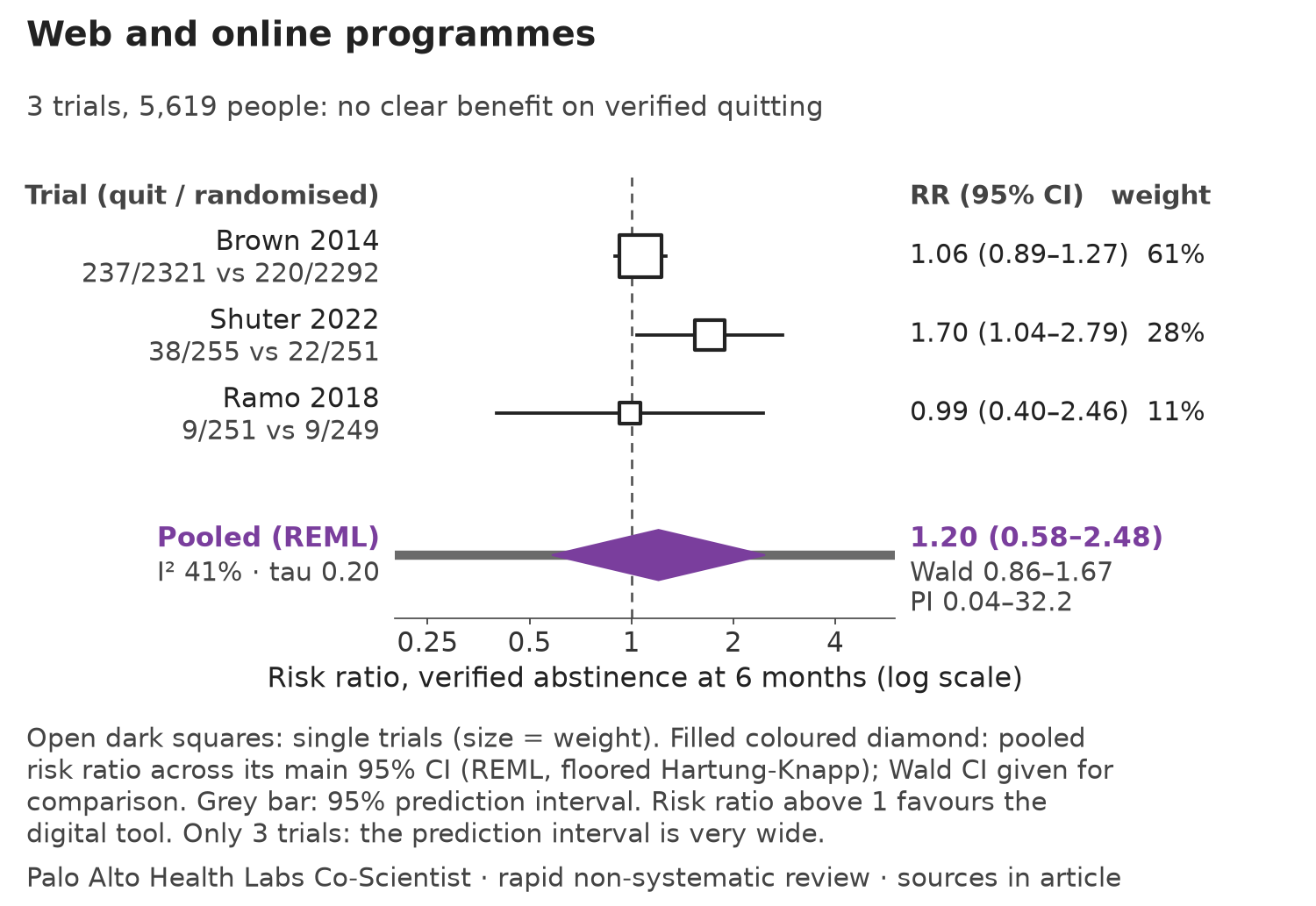
Figure 5. Web and online programmes: individual trials and pooled estimate.
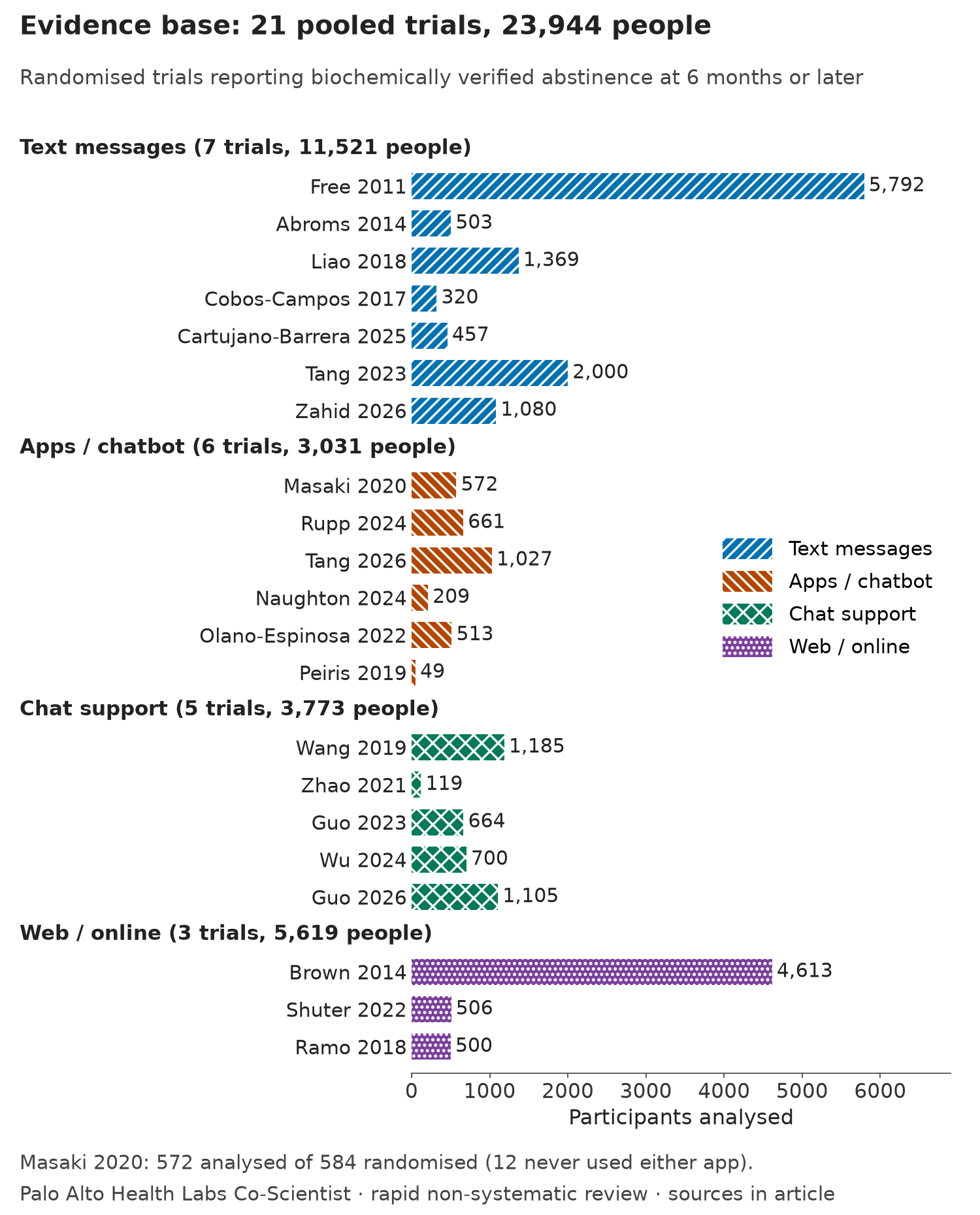
Figure 6. Number of participants analysed in each trial included in the pooled analyses (21 trials, 23,944 participants).
Summary table
| Tool type | Trials | Participants | Risk ratio (main 95% CI) | Wald 95% CI | Prediction interval | I² (τ²-based) |
|---|---|---|---|---|---|---|
| Text-message programmes | 7 | 11,521 | 2.50 (1.81–3.46) | 1.93–3.25 | 1.20–5.23 | 57% |
| Smartphone apps / chatbot | 6 | 3,031 | 1.90 (1.11–3.23) | 1.26–2.84 | 0.58–6.23 | 73% |
| Adviser chat via messaging apps | 5 | 3,773 | 1.41 (0.97–2.06) | 1.08–1.84 | 0.91–2.18 | 0% |
| Web / online programmes | 3 | 5,619 | 1.20 (0.58–2.48) | 0.86–1.67 | 0.04–32.2 | 41% |
Risk ratio above 1 means more people quit with the digital tool. The main confidence interval uses the Hartung-Knapp method (see Methods), which is wider than the conventional Wald interval when there are few trials.
Caveats
- Verified quitting is a strict outcome. Only trials that confirmed abstinence with a breath carbon monoxide or saliva cotinine test at six months or later were pooled. Many app and web trials rely on self-report and were left out, so the app and web pools are small.
- Comparison groups differ. "Minimal or usual support" ranged from unrelated text messages to clinic treatment with medication. Relative benefits look smaller where the comparison group already received strong support.
- Settings are concentrated. All five chat trials were from Hong Kong, and two of the seven text-message trials and one app trial were from mainland China. Results may differ elsewhere.
- Some numbers come from abstracts. For six trials the arm-level counts were taken from the published abstract because the full text was not openly available, and for four trials some counts were calculated from reported percentages and group sizes.
- Abstinence definitions differ. Nine trials measured continuous or sustained abstinence, the stricter Russell Standard type of measure; the others measured verified point-prevalence abstinence (not smoking in the past week, or at repeated checks) or did not state the definition in the source available. No chat trial measured continuous abstinence: three used verified seven-day point prevalence and two did not state the self-report window in their abstracts. Restricting to continuous or sustained abstinence gave 2.95 (1.69 to 5.15; 4 trials) for text messages and 1.63 (0.83 to 3.19; 4 trials, no clear benefit) for apps; the web group had too few such trials to test.
- Two trials were cluster-randomised. Their reported cluster-adjusted results (or an adjusted standard error) were used rather than raw counts.
- One chat trial gave nicotine replacement to the intervention arm only. In Guo 2023, the intervention arm also received a one-week nicotine replacement sample that the control arm did not, so part of its effect may come from the medication rather than the chat.
- Other sensitivity analyses. Leaving out the cluster trials gave 2.43 (1.64 to 3.60) for text messages and 1.32 (0.77 to 2.25) for chat. Leaving out the chatbot gave 2.17 (1.04 to 4.54) for apps. Leaving out Guo 2023 gave 1.43 (0.90 to 2.26) for chat.
- Small pilots and zero events. Two pilot trials had no verified quitters in one arm; a standard correction was applied. Leaving them out did not change the conclusions (apps 1.89, 1.05 to 3.38; chat 1.40, 0.91 to 2.17). Leaving out both small app trials (the zero-event pilot and a feasibility trial) widened the app interval to include no effect (1.75, 0.90 to 3.40). In the feasibility trial, only 39% of saliva samples for verification were returned, and return rates were imbalanced between arms.
- Study design and sponsorship. Several apps and programmes were evaluated by the teams that developed them, which is common in this field and is a standard design caveat.
- Small-study effects could not be tested formally, because no group had ten or more trials.
Methods
Design. Rapid non-systematic review with random-effects meta-analysis, following PRISMA reporting principles where feasible. Screening and extraction were done by one reviewer without duplicate checking.
Question. Do digital smoking-cessation tools (smartphone apps, text-message programmes, web or internet programmes) improve biochemically verified abstinence at six months or more, compared with minimal or usual support?
Search. PubMed (searched 23 November 2026, English language) with the query: ("smoking cessation"[mh] OR "tobacco use cessation"[mh] OR "smoking cessation"[tiab] OR "stop smoking"[tiab] OR "quit smoking"[tiab] OR quitting[tiab]) AND ("text messaging"[mh] OR "mobile applications"[mh] OR "internet-based intervention"[mh] OR internet[mh] OR "text messag"[tiab] OR SMS[tiab] OR "mobile phone"[tiab] OR "cell phone"[tiab] OR smartphone[tiab] OR app[tiab] OR apps[tiab] OR mHealth[tiab] OR "instant messag"[tiab] OR WhatsApp[tiab] OR WeChat[tiab] OR internet[tiab] OR "web-based"[tiab] OR online[tiab] OR digital[tiab]) AND (randomized controlled trial[pt] OR randomi[tiab]) AND (biochemical*[tiab] OR cotinine[tiab] OR "carbon monoxide"[tiab] OR verified[tiab] OR validated[tiab] OR confirmed[tiab]). The search returned 359 records. Titles were screened, 65 records were assessed against the inclusion criteria at abstract or full-text level, and full texts were read where openly available (PubMed Central). Two Cochrane reviews were used for context only.
Inclusion. Randomised trials in adults who smoke (pregnancy trials excluded as a distinct population; one text-message trial in tuberculosis clinics enrolled people aged 15 or older); a digital tool delivered by text message, messaging app, smartphone app, chatbot or website, alone or added to usual care; a comparison group receiving minimal or usual support without a comparable digital tool (unrelated messages, written material, information-only websites, brief advice or usual clinic care); abstinence verified by exhaled carbon monoxide or saliva cotinine at six months or later. Trials with an active digital comparator, outcomes before six months, verification only in subgroups, or a main non-digital component (such as in-person counselling present only in the intervention arm) were excluded.
Grouping. Tools were pooled in four separate groups because they differ in how support is delivered: automated text messages (including one programme that pushed automated messages through a chat app), human adviser or peer chat through messaging apps, smartphone apps (including one chatbot), and websites or online programmes. Pooling was done only where at least three comparable trials existed.
Outcome and data. Risk ratio for verified abstinence at the six-month follow-up (24 to 26 weeks), intention to treat with people lost to follow-up counted as smoking where trials reported this. Abstinence definitions were mixed: continuous or sustained abstinence in nine trials, verified point-prevalence abstinence in nine, and a definition not stated in the source available for three. Exceptions to the missing-data rule: Tang 2023 used multiple imputation for missing outcomes in its main analysis (the verified counts used here, 120 and 28, are whole numbers over all randomised participants, which is consistent with observed verified quitters, but the paper does not state this explicitly); Shuter 2022 counted people lost to follow-up as smoking but accepted self-report without biochemical verification for eight people who reported abstinence while research visits were suspended during COVID-19; Cobos-Campos 2017 and Zahid 2026 did not state their handling in the abstracts available. Leaving out Tang 2023 gave 2.21 (1.79 to 2.71) for text messages. Where a trial had two intervention arms of the same tool, they were combined. For one app trial the authors' analysis set was used (572 of 584 randomised; 12 people who never used either app were excluded by the authors). For two cluster-randomised trials, the reported cluster-adjusted risk ratio was used (one trial) or the standard error was inflated by the ratio of the reported to the unadjusted standard error (the other). Where one arm had no events, 0.5 was added to every cell of that trial.
Analysis. Random-effects meta-analysis on the log risk ratio with restricted maximum likelihood (REML) estimation of between-trial variance. The main 95% confidence interval uses the Hartung-Knapp adjustment with a floor: pooled estimate ± t(0.975, k−1) × SE(REML) × √max(1, q), where q is the weighted residual sum of squares divided by k−1; this interval is never narrower than the Wald interval. The REML Wald interval, tau², tau, I² and q are also reported. I² is computed from the REML τ² (metafor); the Q-based values are 56% (text messages), 65% (apps), 0% (chat) and 36% (web). In all four main pools q was below 1, so the floor applied; in two sensitivity analyses (apps without the two small trials, q = 1.02, and apps restricted to continuous abstinence, q = 1.22) q was above 1 and the interval is the plain Hartung-Knapp interval. The 95% prediction interval is μ ± t(0.975, k−2) × √(τ² + SE_Wald²): a t distribution with k-2 df, using tau² from REML plus the unfloored Wald SE² of the pooled estimate (not the Hartung-Knapp SE). The Hartung-Knapp floor is not applied to the prediction interval. Egger's test was planned only for groups of ten or more trials and was not run. Planned sensitivity analyses removed the cluster trials, pilot trials, the chatbot and trials adding a tool to clinic treatment, added one trial in a different population, left out each trial in turn, and restricted pools to continuous or sustained abstinence. Leaving out Guo 2023 (nicotine replacement in one arm) and Tang 2023 (multiple imputation) was added after review. The leave-out of the two text-message trials that differed in delivery or setting, and the split of app trials by comparator, were chosen after seeing the data.
| Group | q | tau² | tau | Cochran's Q (p) | I² (τ²-based) | I² (Q-based) |
|---|---|---|---|---|---|---|
| Text-message programmes | 0.93 | 0.065 | 0.25 | 13.6 (0.03) | 57% | 56% |
| Smartphone apps / chatbot | 0.81 | 0.141 | 0.38 | 14.2 (0.01) | 73% | 65% |
| Adviser chat via messaging apps | 0.17 | 0 | 0 | 0.69 (0.95) | 0% | 0% |
| Web / online programmes | 0.82 | 0.039 | 0.20 | 3.13 (0.21) | 41% | 36% |
Tools. R 4.5.0 with metafor 4.8.0 (rma(method="REML"), Hartung-Knapp floor applied manually and compared with test="knha" and test="adhoc"); figures in Python 3.13.5 with matplotlib 3.11.2. DOIs were checked against Crossref titles and first authors.
References
Trials pooled (text-message programmes)
- Free C, et al. Smoking cessation support delivered via mobile phone text messaging (txt2stop): a single-blind, randomised trial. Lancet. 2011. https://doi.org/10.1016/S0140-6736(11)60701-0
- Abroms LC, et al. A randomized trial of Text2Quit: a text messaging program for smoking cessation. Am J Prev Med. 2014. https://doi.org/10.1016/j.amepre.2014.04.010
- Liao Y, et al. Effectiveness of a text-messaging-based smoking cessation intervention ("Happy Quit") for smoking cessation in China: A randomized controlled trial. PLoS Med. 2018. https://doi.org/10.1371/journal.pmed.1002713
- Cobos-Campos R, et al. Effectiveness of Text Messaging as an Adjuvant to Health Advice in Smoking Cessation Programs in Primary Care. A Randomized Clinical Trial. Nicotine Tob Res. 2017. https://doi.org/10.1093/ntr/ntw300
- Cartujano-Barrera F, et al. Decídetexto: Mobile Cessation Support for Latino Adults Who Smoke: A Randomized Clinical Trial. Chest. 2025. https://doi.org/10.1016/j.chest.2024.07.160
- Tang J, et al. Efficacy of WeChat-based online smoking cessation intervention ('WeChat WeQuit') in China: a randomised controlled trial. EClinicalMedicine. 2023. https://doi.org/10.1016/j.eclinm.2023.102009
- Zahid M, et al. An mHealth (Mobile Health) Intervention for Smoking Cessation in People With Tuberculosis: A Cluster Randomized Clinical Trial. JAMA. 2026. https://doi.org/10.1001/jama.2025.20765
Trials pooled (adviser chat via messaging apps)
- Wang MP, et al. Chat-based instant messaging support integrated with brief interventions for smoking cessation: a community-based, pragmatic, cluster-randomised controlled trial. Lancet Digit Health. 2019. https://doi.org/10.1016/S2589-7500(19)30082-2
- Zhao SZ, et al. Mobile chat-based support plus nicotine replacement therapy sampling to promote smoking cessation for community smokers: A randomized controlled trial. Tob Induc Dis. 2021. https://doi.org/10.18332/tid/133373
- Guo N, et al. Effect of mobile interventions with nicotine replacement therapy sampling on long-term smoking cessation in community smokers: A pragmatic randomized clinical trial. Tob Induc Dis. 2023. https://doi.org/10.18332/tid/160168
- Wu YS, et al. Effect of Adding Personalized Instant Messaging Apps to a Brief Smoking Cessation Model in Community Smokers in Hong Kong: Pragmatic Randomized Clinical Trial. J Med Internet Res. 2024. https://doi.org/10.2196/44973
- Guo Z, et al. Behavioral Support by Ex-Smoking Peers Using Instant Messaging for Smoking Cessation: A Randomized Controlled Trial. Chest. 2026. https://doi.org/10.1016/j.chest.2025.07.4110
- Ho LLK, et al. Instant messaging-delivered brief motivational interviewing for noncommunicable disease patients with no intention to quit smoking. NPJ Digit Med. 2026. https://doi.org/10.1038/s41746-026-02578-6 (Sensitivity analysis only.)
Trials pooled (smartphone apps / chatbot)
- Masaki K, et al. A randomized controlled trial of a smoking cessation smartphone application with a carbon monoxide checker. NPJ Digit Med. 2020. https://doi.org/10.1038/s41746-020-0243-5
- Rupp A, et al. Digital Smoking Cessation With a Comprehensive Guideline-Based App-Results of a Nationwide, Multicentric, Parallel, Randomized Controlled Trial in Germany. Nicotine Tob Res. 2024. https://doi.org/10.1093/ntr/ntae009
- Tang J, et al. Efficacy of cognitive behavioral therapy-based smartphone app for smoking cessation in China: A randomized controlled trial. Addiction. 2026. https://doi.org/10.1111/add.70239
- Naughton F, et al. A smoking cessation smartphone app that delivers real-time 'context aware' behavioural support: the Quit Sense feasibility RCT. Public Health Res (Southampt). 2024. https://doi.org/10.3310/KQYT5412
- Olano-Espinosa E, et al. Effectiveness of a Conversational Chatbot (Dejal@bot) for the Adult Population to Quit Smoking: Pragmatic, Multicenter, Controlled, Randomized Clinical Trial in Primary Care. JMIR Mhealth Uhealth. 2022. https://doi.org/10.2196/34273
- Peiris D, et al. A Smartphone App to Assist Smoking Cessation Among Aboriginal Australians: Findings From a Pilot Randomized Controlled Trial. JMIR Mhealth Uhealth. 2019. https://doi.org/10.2196/12745
Trials pooled (web / online programmes)
- Brown J, et al. Internet-based intervention for smoking cessation (StopAdvisor) in people with low and high socioeconomic status: a randomised controlled trial. Lancet Respir Med. 2014. https://doi.org/10.1016/S2213-2600(14)70195-X
- Shuter J, et al. Randomized Trial of a Web-Based Tobacco Treatment and Online Community Support for People With HIV Attempting to Quit Smoking Cigarettes. J Acquir Immune Defic Syndr. 2022. https://doi.org/10.1097/QAI.0000000000002936
- Ramo DE, et al. A randomized controlled evaluation of the tobacco status project, a Facebook intervention for young adults. Addiction. 2018. https://doi.org/10.1111/add.14245
Published reviews (context)
- Whittaker R, et al. Mobile phone text messaging and app-based interventions for smoking cessation. Cochrane Database Syst Rev. 2019. https://doi.org/10.1002/14651858.CD006611.pub5
- Taylor GMJ, et al. Internet-based interventions for smoking cessation. Cochrane Database Syst Rev. 2017. https://doi.org/10.1002/14651858.CD007078.pub5
- Chu S, et al. Efficacy of smartphone apps used alone or with traditional interventions for smoking cessation: a systematic review and meta-analysis. BMJ Evid Based Med. 2026. https://doi.org/10.1136/bmjebm-2025-113971
Corrections
None yet.
Found an error? Email hello@paloaltohealthlabs.com.
More from the Palo Alto Health Labs Co-Scientist · All posts
Have your own questions? Sign up for the Beta
Tell us the health AI or digital health question you would want the Co-Scientist to review, and join the beta list.
Scope it in 30 minutes
Book a scoping call and we'll name the smallest engagement that moves you forward. Most teams start with the fixed-scope Initial Audit.
Book a 30-min scoping callPrefer to write? Send a short note.